English
 中文简体
中文简体
Apr 30,2026
What Are Vinyl Sheet Piles and How Are They Made?
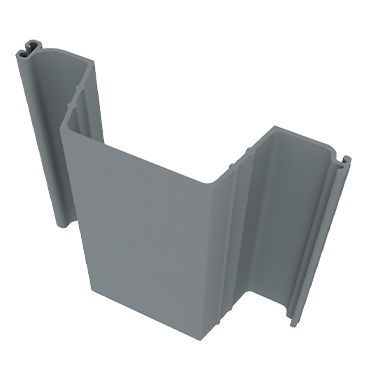
Vinyl sheet piles are interlocking structural panels extruded from polyvinyl chloride (PVC) compounds and driven into soil or sediment to form continuous retaining walls, bulkheads, and seawalls. Unlike steel or timber alternatives, vinyl sheet piles rely entirely on the mechanical properties of engineered PVC rather than on metal strength or natural wood fiber. The extrusion process forces PVC compound through a die that produces the precise cross-sectional profile of the pile, including the interlocking male and female connectors along each edge that allow adjacent panels to be joined into a watertight, continuous wall system.
The PVC compound used in structural vinyl sheet piles is not standard pipe-grade PVC. Manufacturers blend impact modifiers, UV stabilizers, heat stabilizers, and processing aids into the resin to produce a compound that maintains structural integrity under driving stress, thermal cycling, and prolonged environmental exposure. High-quality vinyl sheet pile compounds are tested to confirm compliance with ASTM D4216 or equivalent standards, which specify minimum values for tensile strength, flexural modulus, impact resistance, and chemical resistance. The resulting profiles can weigh as little as one-fifth of equivalent steel piles, dramatically reducing transportation and handling costs on job sites.
Where Vinyl Sheet Piles Are Most Effectively Used
The applications where vinyl sheet piles consistently outperform competing materials are those where corrosion, chemical exposure, or low maintenance requirements drive the selection decision. Understanding these application environments helps engineers and contractors determine whether vinyl is the appropriate choice for a specific project rather than defaulting to steel or concrete.
Marine Bulkheads and Seawalls
Marine environments subject retaining structures to the most aggressive combination of corrosion factors: saltwater immersion, wet-dry cycling in the tidal zone, biological fouling from barnacles and marine organisms, and wave impact loading. Steel sheet piles in marine service require protective coatings, cathodic protection systems, and periodic inspection and repair to manage corrosion. Vinyl sheet piles eliminate these costs entirely because PVC is inherently immune to saltwater corrosion. Marina docks, boat ramp walls, waterfront property bulkheads, and tidal creek banks are among the most common marine applications where vinyl sheet piles deliver decades of service without the maintenance burden associated with steel.
Freshwater Retention and Lake Shore Stabilization
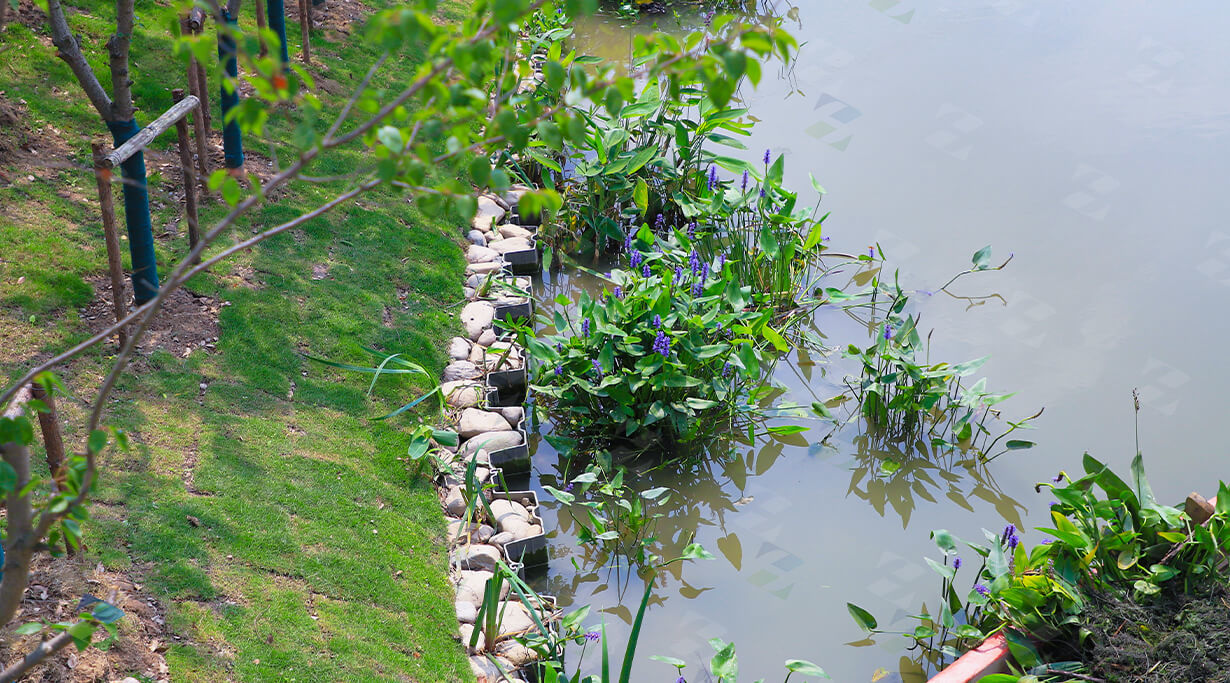
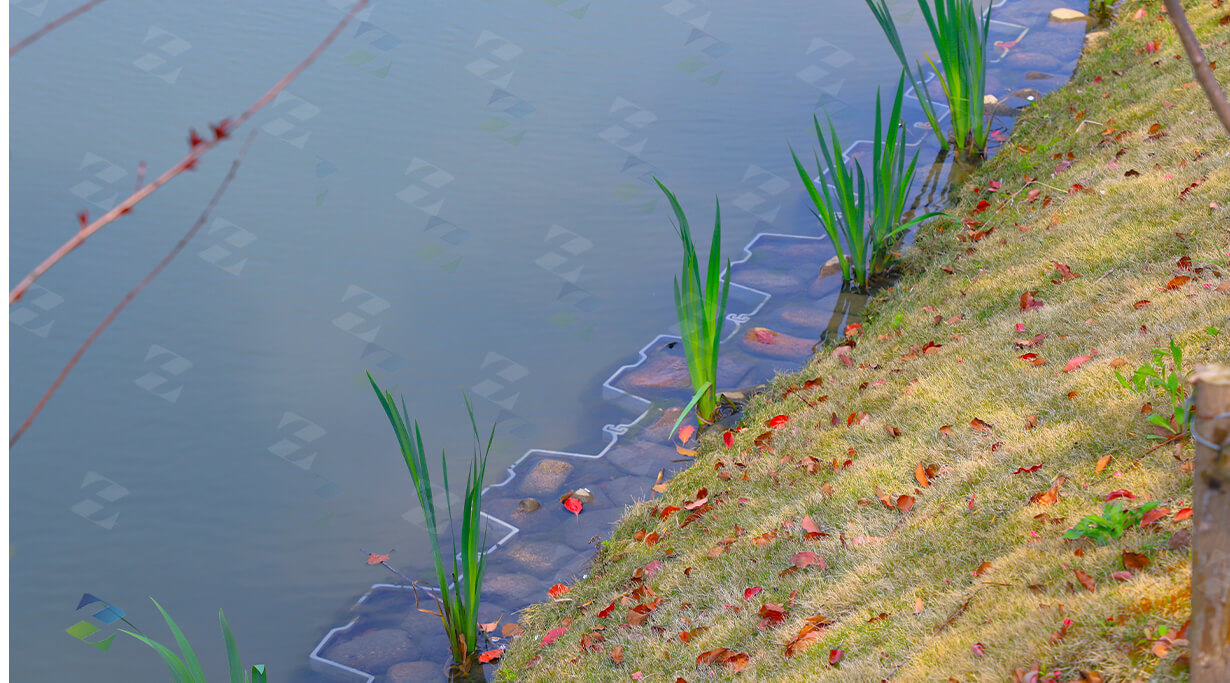
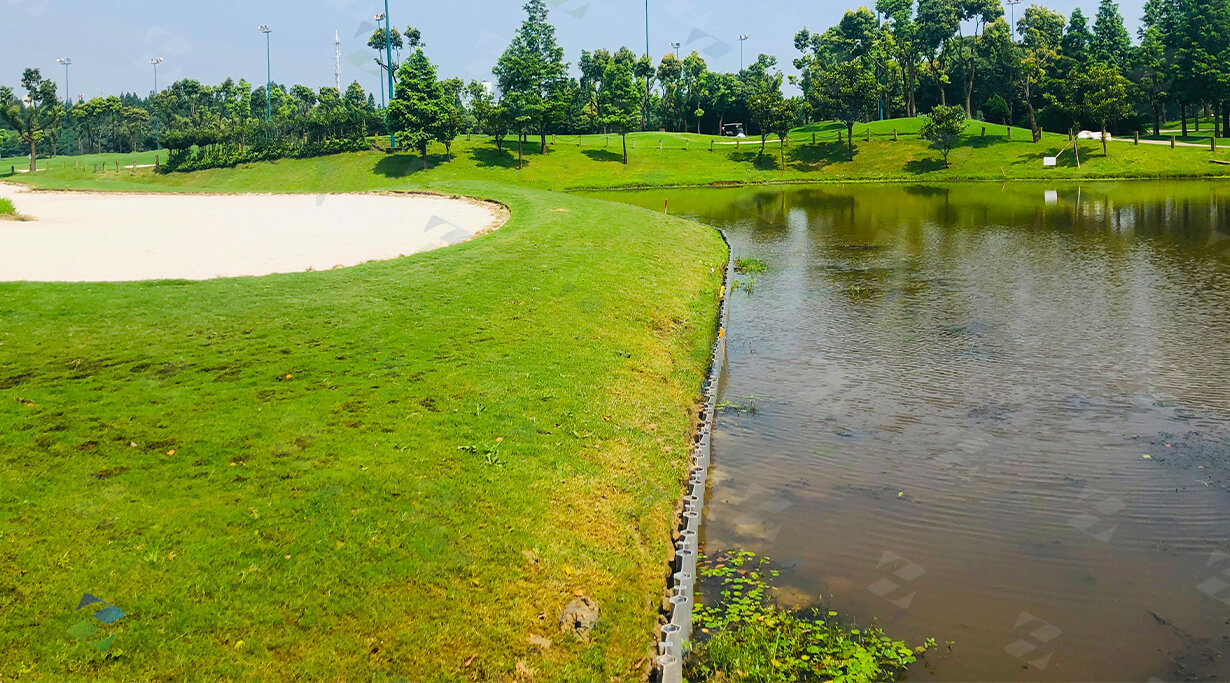
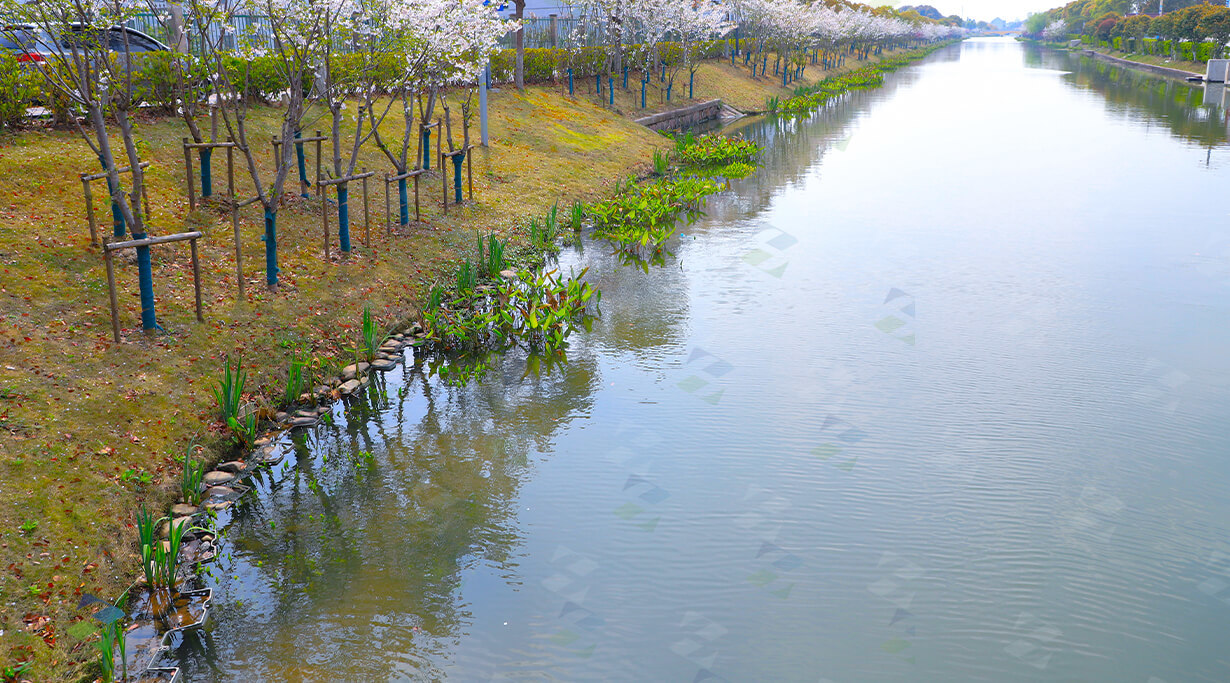
Lakefront properties, pond edges, and riverbank stabilization projects benefit from vinyl sheet piles because the material does not introduce contaminants into the water. Pressure-treated timber piles historically used in freshwater environments leach preservative chemicals, raising ecological concerns. Vinyl piles contain no heavy metals, biocides, or leachable compounds, making them acceptable for installation adjacent to sensitive freshwater ecosystems and in jurisdictions with strict environmental permitting requirements.
Industrial and Chemical Containment
Sites where soils or groundwater are contaminated with industrial chemicals, petroleum products, or agricultural runoff present challenges for steel sheet piles, which can corrode rapidly when exposed to acidic or chemically aggressive leachate. Vinyl sheet piles constructed from chemical-resistant PVC compounds resist attack from a broad range of industrial chemicals, making them suitable for containment walls around fuel storage areas, industrial lagoons, and contaminated site remediation projects. The interlocking joints can be sealed with chemical-resistant sealants to enhance the impermeability of the wall system.
Profile Types and Their Structural Implications
Vinyl sheet piles are manufactured in several distinct profile geometries, each offering a different balance of section modulus, wall thickness, and interlocking system. Selecting the correct profile for the soil conditions, wall height, and loading requirements is one of the most critical engineering decisions in any vinyl sheet pile project.
| Profile Type | Typical Section Modulus | Best Application |
| Flat / Tongue & Groove | Low (2–5 in³/ft) | Shallow landscaping walls, erosion control, low-height pond edges |
| Z-Profile | Medium (8–18 in³/ft) | Marina bulkheads, residential waterfront walls, moderate soil pressure |
| Arch / Omega Profile | Medium-High (15–25 in³/ft) | Commercial bulkheads, taller retaining walls, moderate surcharge loads |
| Box / Double Web Profile | High (25–45 in³/ft) | Heavy-duty retaining walls, high embankment support, significant surcharge |
For walls exceeding approximately 1.8 meters (6 feet) in retained height, engineering analysis using soil pressure calculations and section modulus verification is strongly recommended regardless of profile type. Many manufacturers provide free technical support and design software to assist engineers in profile selection and embedment depth calculation for specific site conditions.
Comparing Vinyl Sheet Piles to Steel and Timber Alternatives
Each sheet pile material has genuine strengths and limitations. A clear comparison across the dimensions that matter most in practice helps project teams make informed decisions rather than defaulting to familiar materials out of habit.
- Corrosion Resistance: Vinyl is completely immune to corrosion from saltwater, freshwater, and most industrial chemicals. Steel requires coatings and cathodic protection in aggressive environments. Timber deteriorates through rot, fungal attack, and insect damage even when pressure-treated.
- Maintenance Requirements: Vinyl sheet pile walls require essentially no routine maintenance beyond periodic visual inspection. Steel walls require coating inspection, touch-up painting, and anode replacement on a scheduled basis. Timber walls require treatment reapplication and structural inspection as wood degrades over time.
- Structural Capacity: Steel provides the highest section modulus per unit weight and is the preferred material for very tall walls, high surcharge loads, and situations requiring tie-back anchoring systems. Vinyl sheet piles are competitive for walls up to approximately 4–5 meters in retained height under normal loading but are generally not suitable for the heaviest structural applications without supplementary support systems.
- Installation Ease: Vinyl piles are lightweight, typically 4–8 kg per linear meter of pile, compared to 60–120 kg per linear meter for steel. This allows smaller equipment to handle and drive the piles, reduces crew fatigue, and enables installation in locations with limited equipment access such as narrow waterways or restricted urban sites.
- Environmental Impact: Vinyl piles contain no heavy metals or biocides and do not leach contaminants. End-of-life PVC can be recycled. Pressure-treated timber introduces copper, chromium, or arsenic compounds into the environment. Steel production has a high carbon footprint relative to PVC extrusion for equivalent quantities of material.
- Lifecycle Cost: While vinyl sheet piles typically have a higher initial material cost than timber and may be comparable to or slightly higher than steel per linear meter, the elimination of maintenance costs and the extended service life of 50 years or more with minimal degradation often produces a lower total lifecycle cost over the project horizon.
Installation Methods and Ground Condition Considerations
Vinyl sheet piles can be installed using several methods depending on ground conditions, available equipment, and project constraints. The most common installation method is vibratory driving using a vibratory hammer suspended from an excavator or crane. The vibratory motion liquefies the soil particles temporarily around the pile tip, allowing the pile to be advanced with minimal driving resistance. Vibratory installation is fast, relatively quiet compared to impact driving, and produces less stress on the vinyl pile profile than impact methods.
In soft soils such as loose sand, soft clay, and organic deposits, vibratory driving is highly effective and vinyl piles can often be advanced to full embedment depth in minutes per pile. Dense sand, gravelly soils, or soils containing cobbles present greater resistance and may require pre-augering a pilot hole to the target embedment depth before the vinyl pile is advanced. Attempting to drive vinyl piles by impact hammering in dense or rocky soils without pre-augering risks splitting the pile along the web or damaging the interlocking connectors, compromising the structural integrity of the completed wall.
Water jetting is another installation technique used in sandy coastal soils, where a high-pressure water jet directed at the pile tip fluidizes the sand and allows the pile to sink under its own weight or with light vibratory assistance. Jetting is particularly useful for long piles in beach and dune environments where conventional equipment cannot easily reach the installation location. After jetting, the fluidized sand around the pile should be allowed to reconsolidate and any voids at the surface should be backfilled and compacted to restore lateral support to the embedded pile.
Structural Enhancements: Tie-Backs, Wales, and Cap Systems
For walls that exceed the cantilever capacity of the chosen vinyl pile profile, or where deflection must be minimized, supplementary structural systems can be incorporated to enhance wall performance without switching to steel piles.
- Tie-Back Anchors: Deadman anchors buried in the retained soil and connected to the pile wall via tie rods or straps reduce the bending moment on the pile section, effectively extending the practical height range of vinyl sheet pile walls. The connection hardware must be corrosion-resistant stainless steel or hot-dip galvanized to match the longevity of the vinyl structure.
- Waler Beams: Horizontal waler beams of steel, aluminum, or fiber-reinforced polymer installed against the face of the wall distribute concentrated loads and tie-back forces evenly across multiple pile panels, preventing local overstress at anchor connection points.
- Top Cap Systems: Vinyl or aluminum cap extrusions installed along the top edge of the wall protect the pile tops from mechanical damage, improve the finished appearance of the installation, and provide a convenient surface for dock hardware, handrails, or mooring cleats on marine structures.
Quality Verification and Specification Compliance
The vinyl sheet pile market includes products that vary significantly in raw material quality, wall thickness, and manufacturing consistency. Specifying and verifying product quality before procurement protects the project from premature failures that have occurred when substandard PVC compounds or undersized wall sections are used in structural applications. Key quality verification steps include requesting mill certificates showing the PVC compound formulation and physical property test results, verifying that wall thicknesses at the web, flange, and interlock conform to published profile drawings, and conducting field spot checks of interlock fit by test-assembling a sample length of piles before full installation begins.
Reputable manufacturers will provide product data sheets referencing ASTM D4216 compliance, independent laboratory test results for flexural modulus and impact strength, and engineering design guides with section properties for each profile. When vinyl sheet piles are being used in engineered retaining walls requiring permit approval, the structural engineer of record should confirm that the specified product's section modulus and material properties are consistent with the values used in the wall design calculations. This verification step prevents the substitution of lower-specification products during procurement and ensures the completed installation will perform as designed throughout its intended service life.